Energy Efficient Roofing Dothan AL
Real cooling-cost savings from reflective roofing are genuine but modest — 7-15% of cooling costs, per the Cool Roof Rating Council, not the 30-40% claims you'll see elsewhere. Here's what actually works for Dothan's hot, humid climate.
Sources: ENERGY STAR, Cool Roof Rating Council, Lawrence Berkeley National Lab Heat Island Group
What Energy Efficient Roofing Actually Means
Energy efficient roofing Dothan AL homeowners consider usually means one thing: a roof surface that reflects more solar heat instead of absorbing it, keeping the attic and living space cooler in summer. ENERGY STAR-qualified cool roof products are documented to reduce peak cooling demand by 10-15% — a real, meaningful number, though nowhere near the "cut your bill in half" claims some contractors use. Dothan's Gulf-adjacent, hot and humid climate is genuinely the kind of environment where this technology pays off, since ENERGY STAR's own guidance is that cool roofs make the most sense in hot, sunny, or humid regions — not cooler northern climates where they can slightly increase heating costs.
The federal tax credit that used to apply to ENERGY STAR roofing products has expired — as of 2026, standard cool roofing shingles and reflective metal no longer qualify for a federal tax credit. (Solar-integrated roofing is a separate program and still qualifies for its own credit.) If you've seen a tax-credit claim for cool roofing elsewhere, it's likely outdated information.
The technical term behind all of this is Solar Reflectance Index, or SRI — a single number combining how much sunlight a surface reflects and how efficiently it releases absorbed heat. A standard dark asphalt shingle typically scores low on this scale, while ENERGY STAR-qualified products are required to meet a minimum initial solar reflectance, with a slightly lower minimum still required after three years of weathering. You don't need to memorize the number — just know that "ENERGY STAR-qualified" and "CRRC-rated" are the labels that mean the reflectivity claim has actually been tested, not just assumed from the color.
Material Options for Energy Efficient Roofing
Standard dark asphalt shingles reflect roughly 5-15% of solar energy. Cool-rated products push that meaningfully higher — here's how the main options compare.

Metal's low thermal mass means it doesn't hold heat the way asphalt does, and a light or white factory finish adds real reflectivity on top of that. Many metal panels carry ENERGY STAR ratings. Pairs well with the material's own 40+ year lifespan, so the efficiency benefit isn't a one-time gain — it's baked into a roof you likely won't replace again for decades.
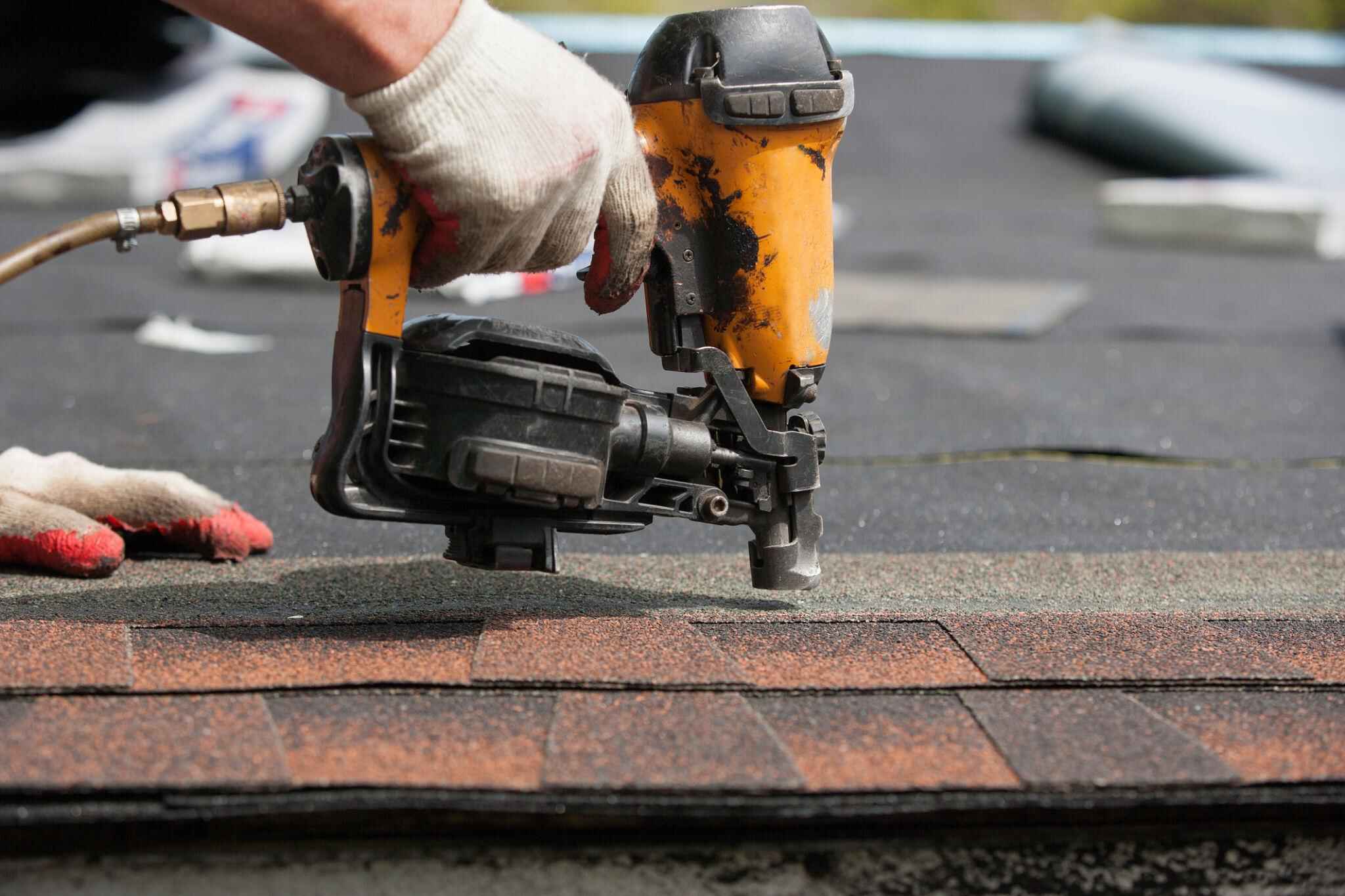
Several major manufacturers offer "cool" shingle lines that use reflective granules to hit a higher solar reflectance index while still looking like a standard architectural shingle — no visual trade-off required. This is usually the most budget-friendly path to genuine reflectivity gains for homeowners not already planning a metal roof.

Even without a dedicated "cool" product line, choosing a lighter shingle or panel color over a dark one improves reflectivity somewhat — a genuine, no-cost lever if color flexibility already fits your home's style.
What Actually Affects Your Savings
The percentage figures above are real, but they're not a guarantee for every home — several other factors determine how much of that potential you actually capture.
Attic Insulation and Ventilation
A reflective roof surface matters less if heat that does get through has nowhere to escape. Proper ridge and soffit ventilation and adequate attic insulation are what let a cool roof's benefit actually reach your living space.
Your Current Roof's Age and Color
The darker and older your existing roof, the more room there is for improvement — a roof already close to a light, reflective finish will see a smaller relative gain from switching.
HVAC System Condition
Savings show up as reduced air conditioning run-time — an aging or oversized HVAC system won't translate roof-level improvements into your utility bill as cleanly as a well-matched, efficient system will.
Roof Pitch and Sun Exposure
A steep, heavily shaded roof has less to gain from reflectivity than a low-slope roof taking direct sun most of the day.
Signs Your Current Roof Is Working Against You
You don't need a full roof replacement to start thinking about energy efficient roofing — but these are worth a look during your next inspection.
A Dark, Aging Roof in Full Sun
An older dark shingle roof with no shade absorbs the most heat of any common configuration — exactly the scenario where switching to a lighter or cool-rated product makes the biggest relative difference.
An Attic That Runs Noticeably Hot
If your attic feels like an oven by mid-afternoon, that heat is radiating down into your living space and making your HVAC system work harder than it should.
Summer Utility Bills That Spike Sharply
A large seasonal jump specifically in cooling months — more than what neighbors with similar homes report — is worth investigating alongside your roof, insulation, and HVAC system together, not the roof in isolation. A free inspection can at least rule the roof itself in or out as a contributing factor.
Real MAC Construction Projects
 Reflective Metal Roofing
 Cool-Rated Shingle Option
 Installation In Progress
A Real MAC Construction Project
The same credentials and review history back every energy efficient roofing project we take on — not a separate standard reserved for standard replacements.
"Very professional and did a great job on our roof. Explained everything clearly and the price was fair. Would recommend to anyone looking for a good roofing company."
Watch: Real MAC Construction Project Video
Energy Efficient Roofing Dothan AL — Your Questions
Generally no — a full early roof replacement just to get reflective benefits rarely pencils out on its own. It makes far more sense to choose a cool-rated or lighter-colored option when you're already due for a replacement or repair.
Cool-rated shingle lines and premium reflective metal finishes typically cost somewhat more than standard dark options. Your free inspection and quote will show the actual difference for your specific roof and material choice.
Not necessarily — cool-rated shingle lines are engineered to look like standard architectural shingles, and manufacturers offer light options across most popular color families, not just white.
Not really, and in some cases it can slightly increase heating costs since the roof reflects some useful winter sun too. In a climate like Dothan's, with a long cooling season, the summer savings still outweigh that small offset.
Reflective coatings exist and are more common on flat or low-slope commercial roofs than on residential shingle roofs. For a typical Dothan home, choosing a cool-rated or lighter shingle at your next replacement is usually the more practical route.
No special certification is required — cool-rated shingles and reflective metal install using the same methods as their standard counterparts. What matters is choosing a genuinely ENERGY STAR-qualified or CRRC-rated product, not just a lighter color marketed loosely as "cool."
Yes. You'll get an honest assessment and a written quote, with no pressure to book any work.
We'll walk you through real, sourced savings figures instead of inflated marketing percentages, and give you an honest read on whether the upgrade makes sense for your specific roof and budget. AL License #30154, 6,000+ roofs since 1991, 5-year written workmanship warranty.
Comparing materials more broadly? See our best roofing materials for Alabama climate guide, or our standing seam metal roofing page for the reflective-metal option specifically.
Get Your Free Roofing Estimate
Fill out the form and here's what happens next: you'll hear back to schedule your free inspection, we'll go over material options and honest savings expectations, and you'll get a written quote before any work starts.