
Commercial Roofing Enterprise, AL
This is the commercial roofing Enterprise AL businesses trust — TPO, EPDM, and metal systems engineered for proper drainage, installed since 1991.
Commercial Roofing Enterprise AL — Built to Code, Built to Drain
This is the commercial roofing Enterprise AL businesses trust for flat and low-slope systems — TPO, EPDM, and metal, engineered with proper slope and drainage to code, not just a membrane rolled over whatever pitch exists. Enterprise is 27 miles from our Dothan headquarters via US-431N, served with the same binding written quote and 5-year workmanship warranty as every Dothan project.
Page Summary — Last Verified August 2026
MAC Construction has installed commercial roofing in Enterprise, AL since 1991, engineering proper drainage into every flat and low-slope system rather than treating slope as an afterthought.
- TPO, EPDM, and metal systems for commercial and industrial buildings
- Tapered insulation and crickets specified where needed to prevent ponding
- Binding written quote and 5-year workmanship warranty on every installation
Figures from MAC Construction's own 2026 job records and the live Google Business Profile (4.9★, 106 reviews), verified August 2026.
Drainage Engineered In, Not Left to Chance
Flat and low-slope roofs don't fail because the membrane is bad — they fail because water sits where it shouldn't. This is the commercial roofing Enterprise AL businesses have trusted since 1991, and every installation is engineered for positive drainage from the start, not patched after the first ponding complaint.
"A commercial roof that ponds water isn't a maintenance problem, it's a design problem. We solve it with tapered insulation before the membrane ever goes down, not with buckets afterward."
Whether it's a retail storefront, a warehouse, or a medical office, the process is the same: honest inspection, binding written quote, and a 5-year workmanship warranty on the completed work.

AL License #30154 · Est. 1991
Commercial Roofing Systems We Install
Reflective, energy-efficient, heat-welded seams — our most common commercial recommendation.
Proven durability, especially cost-effective on larger roof areas.
Metal systems for sloped commercial and industrial buildings.
Engineered slope where the existing deck doesn't drain on its own.
Coating and restoration options for roofs not yet ready for full replacement.
Leak diagnosis and repair for flat and low-slope systems.
Drainage and Ponding, Explained Properly
Why a flat roof isn't actually supposed to be flat.
Building codes don't actually allow a truly flat roof. Both the International Building Code and International Residential Code require single-ply membrane systems — TPO, EPDM, and PVC — to have a minimum slope of 1/4 inch per foot, roughly a 2% grade, specifically to achieve positive drainage. That's a genuine code minimum, not a best practice suggestion.
Manufacturers define the problem precisely. GAF's own technical guidance defines "ponding" as water that fails to drain within 48 hours after rain stops — a specific, measurable threshold, not a vague description. Ponding matters because single-ply membranes aren't designed to sit under standing water indefinitely.
When an existing deck doesn't naturally achieve that slope, the engineered fix is tapered insulation: rigid insulation boards manufactured in a gradual thickness gradient that creates the necessary pitch toward drains. Crickets, small tapered diverters, get built behind rooftop equipment curbs specifically to route water around them.
What this means practically: before we quote a commercial re-roof, we assess actual drainage patterns and specify tapered insulation or crickets wherever the existing deck won't achieve proper slope on its own.
Roof Recover, Explained Properly
A genuine third option between coating and full replacement — when it's actually appropriate.
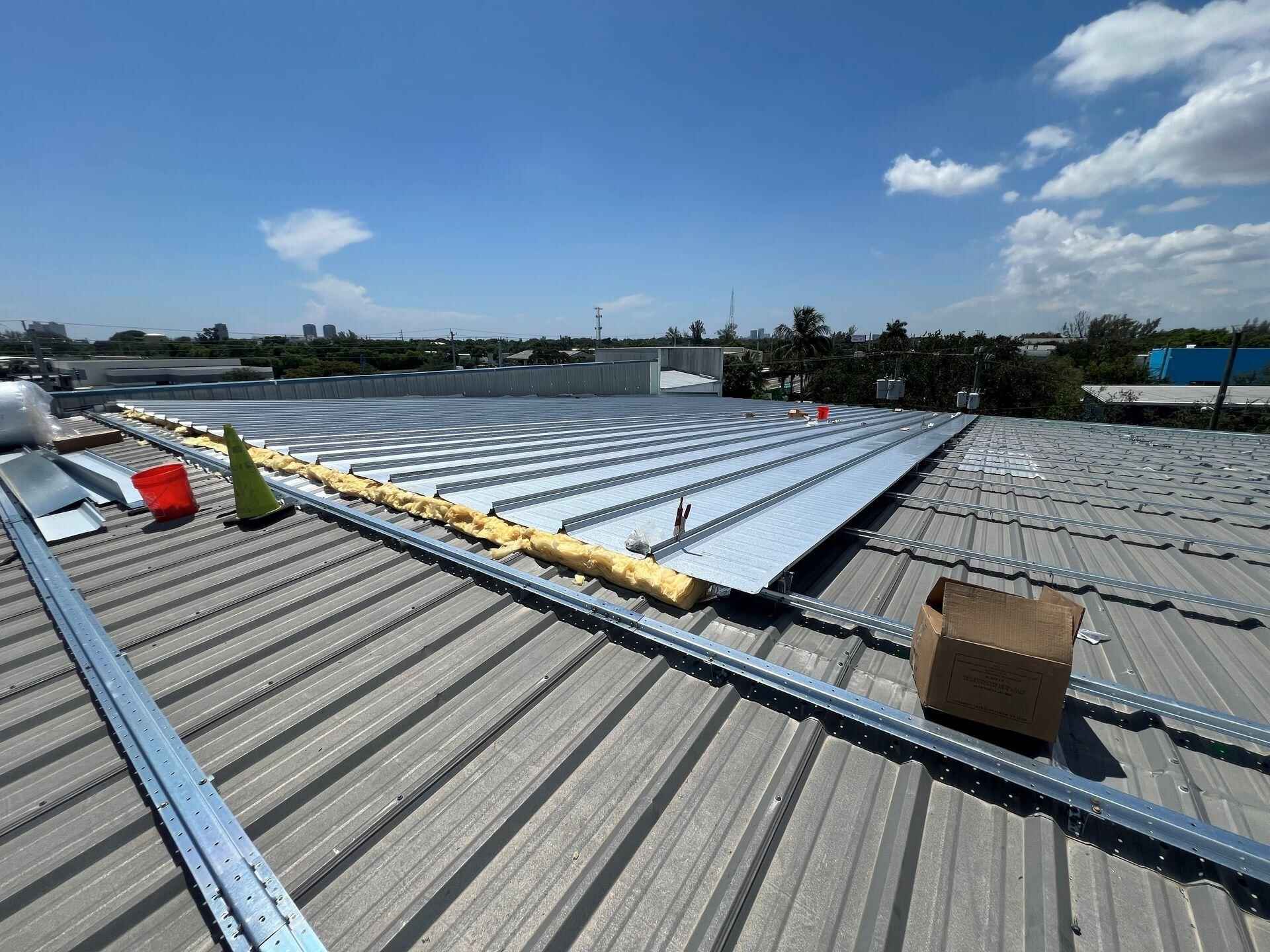
A recover retains most of the existing roof — insulation, cover boards, often the existing membrane itself — and installs a new top membrane directly over it. That's genuinely different from a coating (which restores the existing surface without adding a new membrane) and from a full reroof (which strips everything down to bare decking).
Eligibility isn't a judgment call — it's determined by a moisture survey, typically using infrared imaging or electrical impedance scanning. Industry guidance generally supports a recover when less than 25% of the existing insulation tests wet; at or above that threshold, tear-off and replacement is the standard recommendation instead.
Building code sets real limits too. The International Building Code prohibits recovering a roof that's already water-soaked or deteriorated, and most jurisdictions won't allow stacking a second recover on top of a roof that's already been recovered once — at that point, it's reroof or coating, not another layer.
What this means practically: we run a moisture assessment before ever recommending a recover — if your roof qualifies, it's a genuinely faster, less disruptive path than full tear-off; if it doesn't, we say so rather than installing over a problem that needs fixing first.
Coating & Restoration vs. Replacement
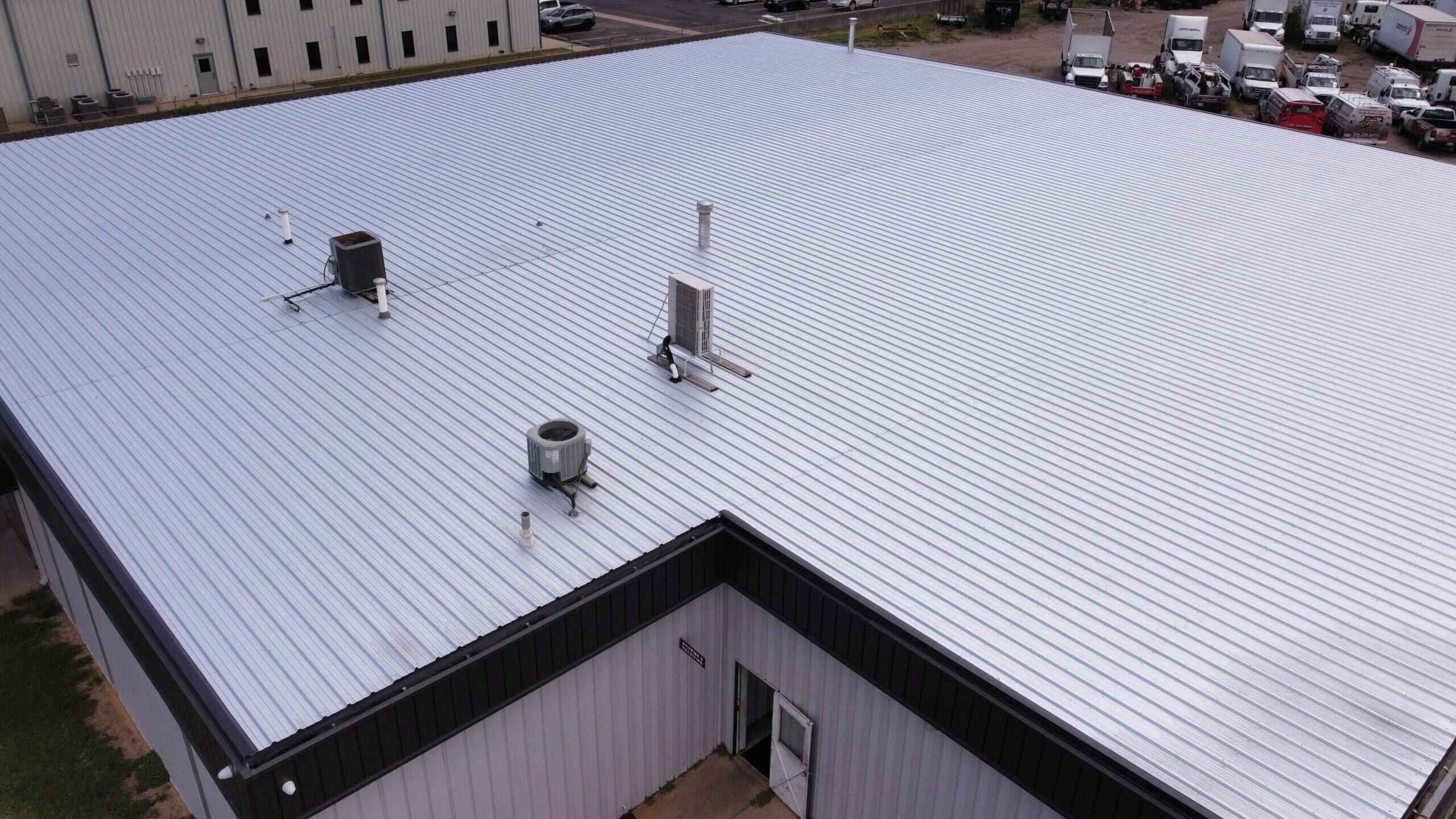
A commercial roof nearing the end of its warranted life isn't automatically a replacement job. If the underlying membrane and insulation are still structurally sound and drainage is functioning correctly, a restoration coating can extend service life by years at a fraction of full replacement cost — genuinely useful for businesses managing capital budgets carefully.
Coating isn't the right call for every roof, though. If drainage is already failing, the deck has moisture damage, or the membrane has significant physical deterioration, coating over those problems just delays a more expensive fix later. We assess honestly which category your roof falls into rather than defaulting to whichever generates a bigger invoice.
What this means practically: during your free assessment, we tell you plainly whether coating and restoration is a legitimate option for your building or whether the underlying issues mean replacement is the honest recommendation.
Commercial Roofing Myths vs. Facts
"A little standing water on a flat roof after rain is completely normal and fine."
Brief ponding is common, but water still standing after 48 hours — the manufacturer-defined threshold — accelerates membrane breakdown and signals a drainage design problem.
"Flat roofs are supposed to be perfectly level."
Building code requires a minimum 1/4 inch per foot slope on single-ply systems. A truly flat roof doesn't meet code and can't drain properly.
"TPO and EPDM perform identically — the choice is just about price."
TPO's reflective white surface reduces heat gain and cooling costs; EPDM is often more cost-effective on larger areas. The right choice depends on your building and budget, not one being universally better.
Commercial Roofing Cost — Enterprise AL, 2026
No travel surcharge — Coffee County pricing matches Houston County.
- Priced by square footage and drainage design
- Cost-effective on larger roof areas
- Assessed and quoted during inspection, never a surprise
- Enhancify financing
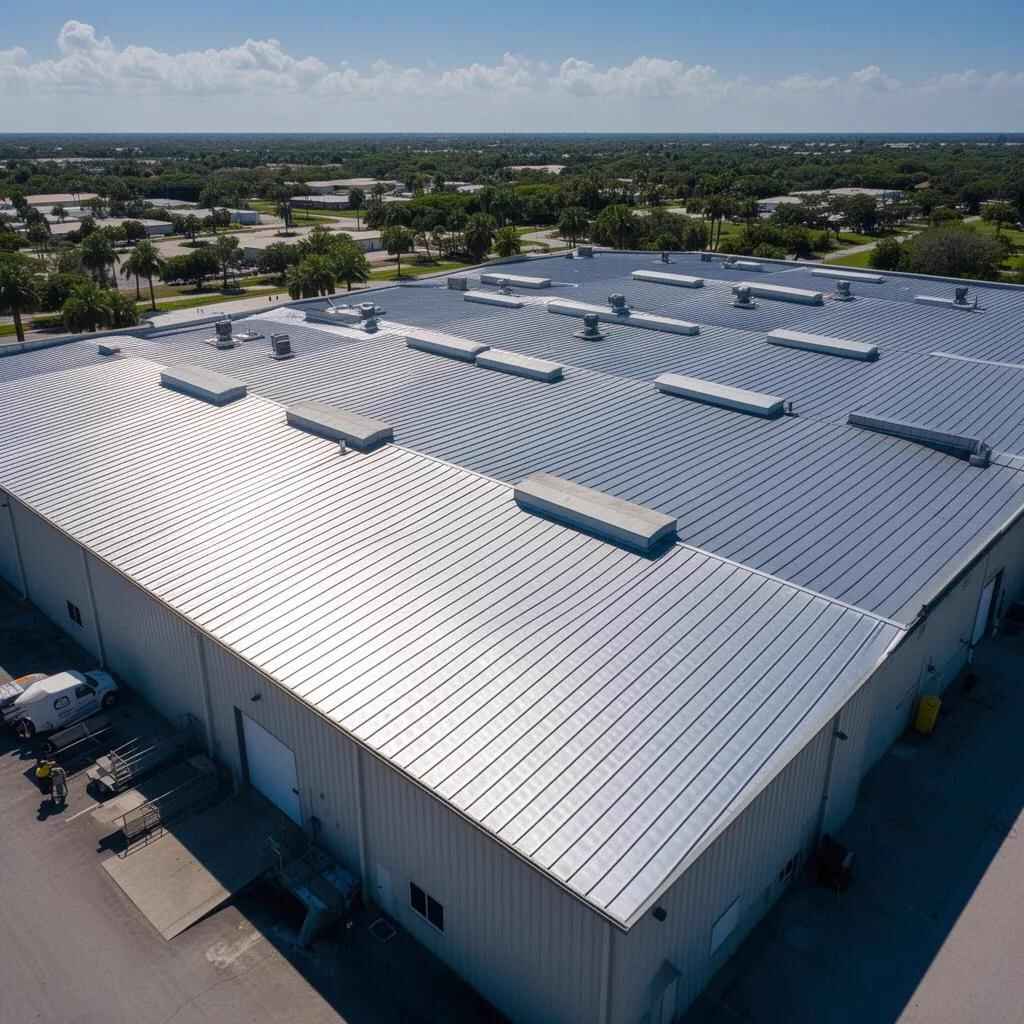
Commercial roofing pricing depends heavily on square footage, existing deck condition, and drainage design — every quote is binding once scoped, with tapered insulation or crickets specified by name where needed, not left as a vague line item.
Why Enterprise Businesses Choose MAC Construction
Tapered insulation and crickets specified wherever the deck needs them.
The price you're quoted is the price you pay — critical for commercial budgeting.
We coordinate scheduling around your operating hours where possible.
Every project backed by a signed workmanship warranty, plus the manufacturer's material warranty.
How A Commercial Project Actually Works
Call & Schedule
334-726-6401 — same-day scheduling, no travel charge for the 27-mile drive.
Roof Assessment
We evaluate existing drainage patterns, deck condition, and system options.
Binding Written Quote
System, drainage design, and price specified in writing.
Installation
Membrane and any tapered insulation installed to manufacturer specification.
Final Walkthrough & Warranty
Signed 5-year written workmanship warranty in hand.
Our Commercial Craftsmanship
Real completed MAC Construction commercial work — TPO, metal, and standing seam systems. Scroll through, or click any photo for a full-size view.
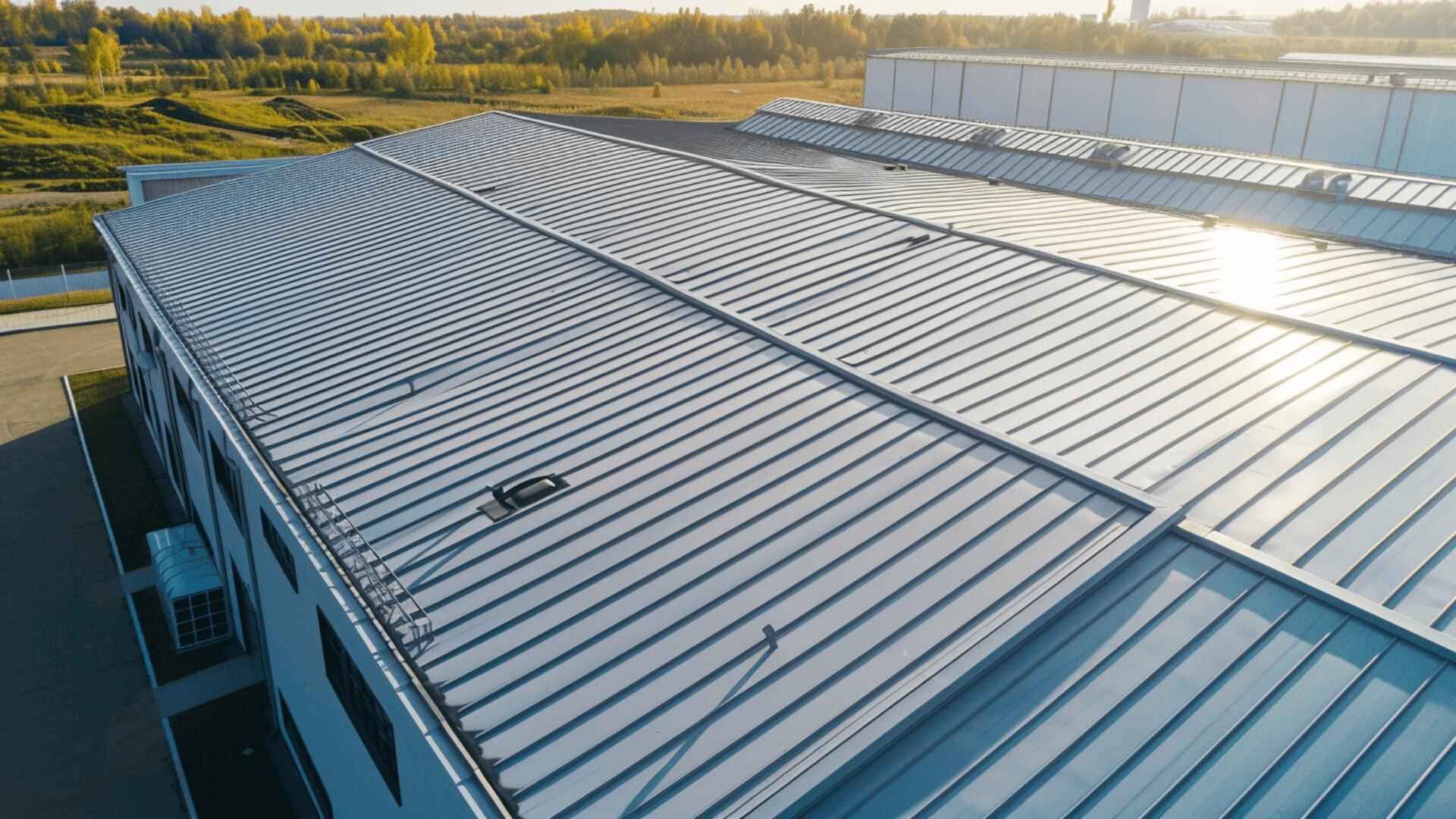

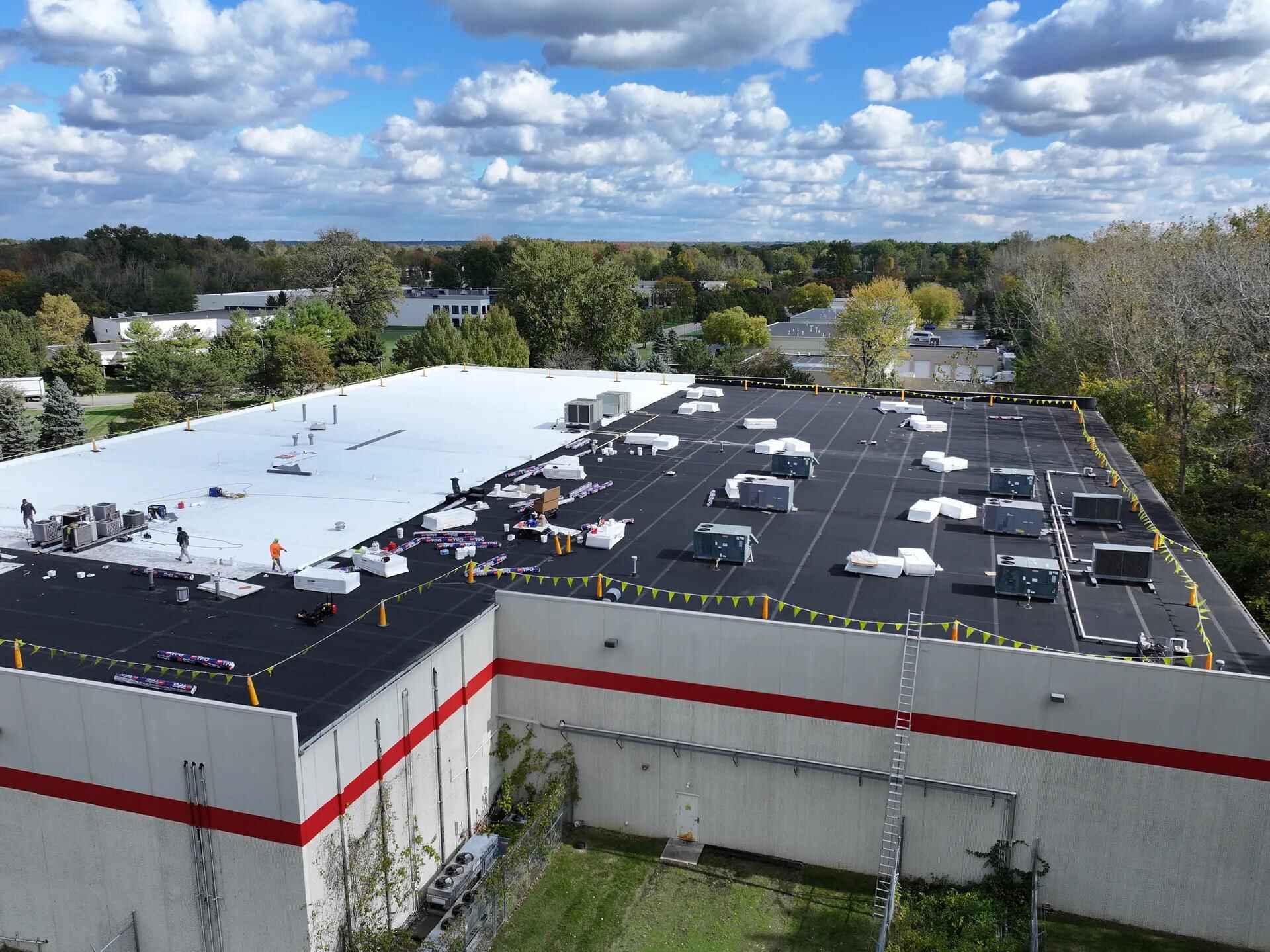

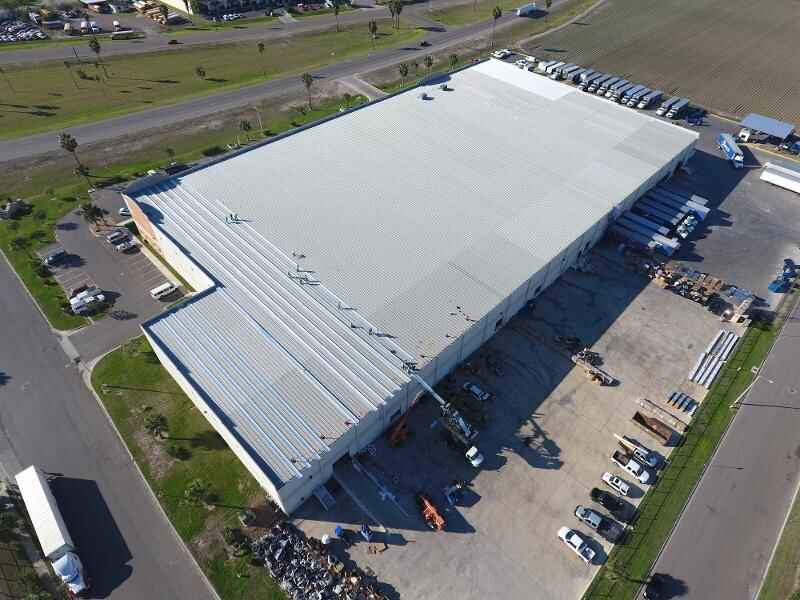
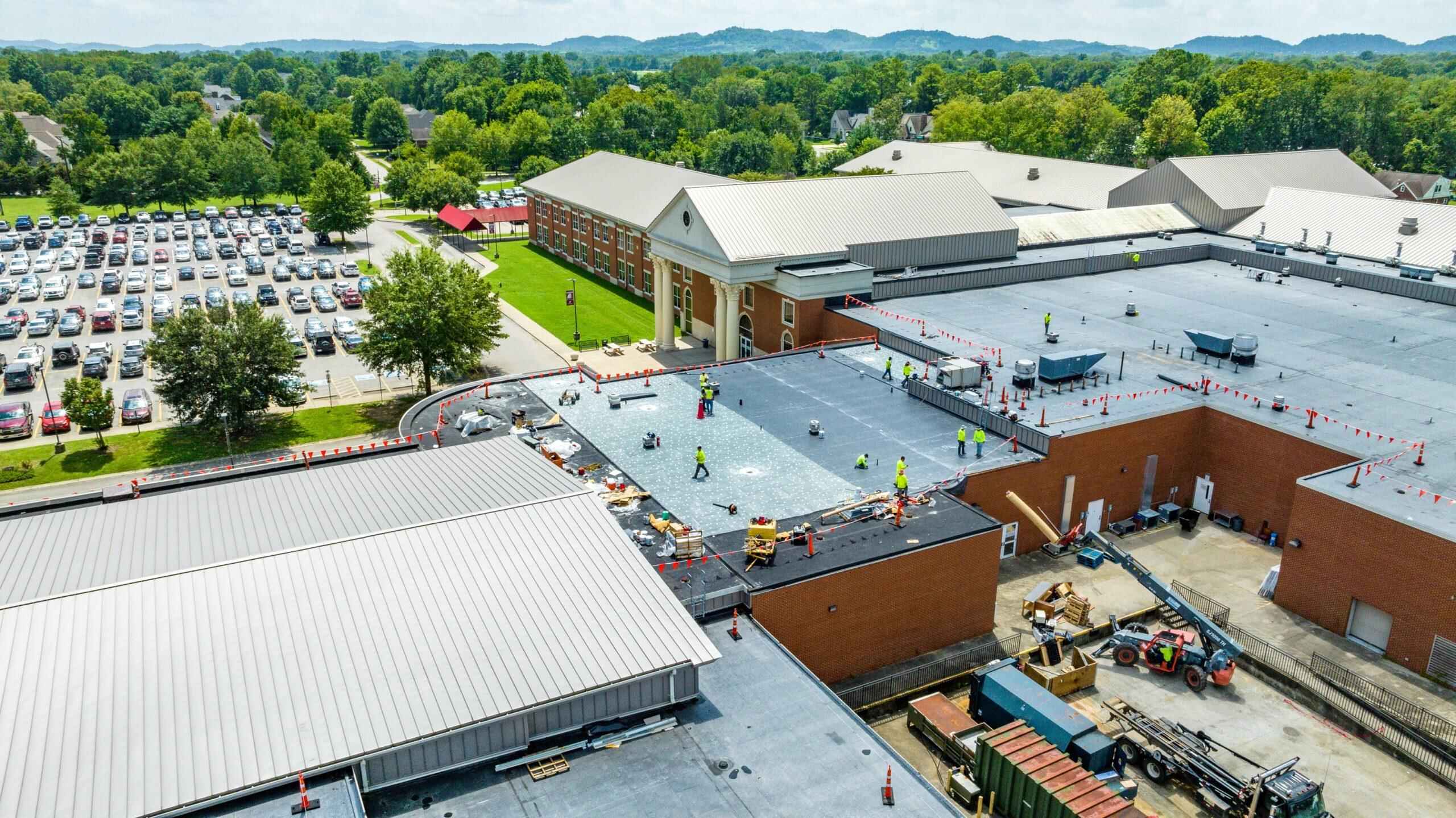
Real MAC Construction commercial roofing work — TPO, metal, and standing seam systems.
Watch: Real MAC Construction Project Video See our work in action on Facebook →What Enterprise Businesses Say
 ★★★★★
★★★★★"Our old roof pooled water in three spots every rain. MAC specified tapered insulation to fix the actual drainage problem instead of just patching the membrane. Gone since the new roof went on."
★★★★★"Binding quote mattered a lot for our budgeting. No change orders mid-project, which is more than I can say for past contractors."
Credentials You Can Verify Yourself
Any contractor working on your Enterprise commercial roof should carry a valid Alabama license — verifiable free at hblb.alabama.gov. You can also find us on LinkedIn.
MAC Construction
Dothan, AL 36305
Get Your Free Enterprise Estimate
Written quote within 24 hours. Stephen responds directly.
Commercial Roofing Enterprise AL — Your Questions Answered
MAC Construction — 4.9★ from 106 Google reviews, Alabama Contractor License #30154, installing commercial roofing in Enterprise since 1991 with binding written quotes.
1/4 inch per foot, roughly a 2% grade, per the International Building Code — a true flat roof isn't actually code-compliant.
Manufacturer guidance defines it as water that hasn't drained within 48 hours after rain stops — a specific threshold, not a vague description.
TPO's reflective surface helps with cooling costs; EPDM is often more cost-effective on larger roof areas. We recommend based on your building and budget during inspection.
No. Enterprise is 27 miles from our Dothan headquarters via US-431N — same pricing, same scheduling, no travel surcharge.
Rigid insulation manufactured in a gradual thickness gradient that creates proper drainage slope. It's needed when the existing deck doesn't achieve adequate pitch to drains on its own.
Yes. Alabama Contractor License #30154 covers residential and commercial roofing statewide, verifiable at hblb.alabama.gov.
We coordinate scheduling around your operations where possible — discuss your specific constraints during the free assessment.
Yes. 0% APR financing through Enhancify is available for qualifying Enterprise commercial projects.
Small tapered diverters built behind rooftop equipment curbs and obstructions to route water around them instead of letting it pool on the upslope side.
Yes, if the membrane, insulation, and drainage are still functioning correctly. Coating over an already-failing roof just delays a bigger problem — we assess honestly which category yours falls into.
If your roof shows ponding lasting more than 48 hours after rain, the existing deck likely isn't achieving adequate slope — we assess drainage patterns during your free inspection to determine this precisely.
A recover retains most of the existing roof and adds a new membrane over it. A reroof strips everything down to bare decking. Recover is faster and less disruptive, but only appropriate when a moisture survey confirms the existing roof qualifies.
A moisture survey, typically infrared imaging or electrical impedance scanning. Industry guidance generally supports a recover when less than 25% of existing insulation tests wet — at or above that, replacement is the standard recommendation.
Other Enterprise Services
Engineered to Drain, Trusted Since 1991
Free assessment. Binding written quote. 5-year workmanship warranty. Drainage designed in, not left to chance.
AL License #30154 · 6,000+ Roofs Since 1991 · 4.9★ from 106 Google Reviews